LinkedIn Algorithm Update 2026: What Actually Changed (And What’s Hype)
LinkedIn Algorithm Update 2026: What Actually Changed (And What's Hype)
Read Article
The honest answer is: it depends.
But that answer is only useful when you understand what the price depends on, what you are paying for, and how to compare proposals fairly.
Digital marketing can range from a small one-off project to a long-term engagement covering SEO, content, advertising, email, analytics, design, and conversion optimisation. These should not be priced in the same way because they involve different levels of work, expertise, and responsibility.
This guide explains how digital marketing pricing works and how to budget without overpaying.
Most digital marketing prices are shaped by three factors.
Scope means how much work is included.
A single landing page is different from managing an entire website. A one-time SEO audit is different from ongoing SEO delivery.
Scope may include:
Number of website pages
Number of campaigns
Content volume
Advertising platforms
Design requirements
Reporting frequency
Market or geographic coverage
Number of target keywords
Website development work
Tracking and analytics setup
The wider the scope, the higher the cost.
A proposal should clearly state what is included, what is excluded, and how many revisions or deliverables are covered.
Who performs the work matters.
A junior freelancer, a specialist consultant, and a full-service agency may all quote differently for the same service.
Higher fees may reflect:
Deeper technical expertise
Industry experience
Senior strategic involvement
Better tools
Stronger quality control
More reliable project management
Access to writers, designers, developers, and analysts
The cheapest option is not always the lowest-cost option in the long term. Poor setup, weak content, incorrect tracking, or low-quality advertising can create additional rework and wasted spend.
The pricing model should match the type of work.
Common models include fixed-fee audits, one-off projects, monthly retainers, hourly consulting, and performance-based arrangements.
Each model has different advantages and risks.
An audit is a fixed-fee review of your current marketing performance.
It may examine:
Website structure
SEO performance
Content gaps
Conversion issues
Tracking setup
Advertising performance
Competitors
Lead-generation process
The final output should include prioritised recommendations, estimated effort, and a clear action plan.
This model is useful when you are unsure what to invest in first.
A one-off project covers a defined deliverable for a fixed price.
Examples include:
Website redesign
Landing-page creation
SEO audit
Analytics setup
Content strategy
Email automation setup
Campaign launch
This model works best when the scope, timeline, and output are clearly defined.
A monthly engagement supports ongoing work.
It may include:
SEO
Content creation
Social media
Email campaigns
Paid advertising
Reporting
Website optimisation
A good monthly agreement should specify deliverables, responsibilities, reporting, and review points.
Avoid retainers that promise only “ongoing support” without explaining what will actually be delivered.
Hourly pricing is useful for advisory support, training, troubleshooting, or limited strategic input.
It becomes less suitable when a project has no clear time estimate or spending limit.
Do not look only at the agency or consultant fee.
Your total budget may include:
Strategy and management fees
Advertising spend
Website development
Copywriting
Graphic design
Video production
Email and CRM tools
SEO software
Analytics platforms
Landing-page tools
Hosting and technical support
Ask whether advertising spend and third-party tools are included in the proposal or billed separately.
The proposal should explain:
Deliverables
Timelines
Responsibilities
Number of revisions
Reporting
Exclusions
Additional charges
Cancellation terms
Do not rely on verbal promises.
A retainer should have a defined monthly scope and an exit clause.
You should understand what happens if priorities change, results are weak, or you want to end the engagement.
Make sure your business owns:
Website access
Advertising accounts
Analytics accounts
Domain and hosting
Content
Designs
Customer data
Campaign data
Tracking setup
Your agency or consultant may manage these assets, but access and ownership should remain with your business.
Ten generic blog articles may be less valuable than four expert-led articles targeting real customer searches.
Twenty social media posts may create little value if they do not reach the right audience.
Ask how each deliverable supports traffic, leads, conversion, pipeline, or revenue.
You should receive clear reporting on:
Work completed
Performance changes
Leads generated
Cost per lead
Conversion rates
Problems identified
Next actions
Transparency is not an optional extra. It is part of professional delivery.
Early-stage businesses often spend too quickly on advertising.
Ads can generate immediate traffic, but the results usually stop when the budget stops.
Before increasing advertising spend, invest in assets that continue creating value:
Search-optimised website pages
Useful content
Strong landing pages
Case studies
Email lists
Analytics
Conversion tracking
Marketing automation
These assets improve future campaigns and reduce wasted spending.
Paid advertising becomes more effective when the offer, audience, website, and tracking system are already working.
Ask:
What exactly is included?
Which results will be measured?
What is not included?
Who will perform the work?
What experience do they have?
Which tools will be required?
Do we own all accounts and content?
How often will performance be reviewed?
What are the cancellation terms?
Which additional costs may arise?
Clear answers help you compare proposals on value rather than price alone.
Digital marketing cost depends on scope, expertise, and the type of engagement.
A one-off project, audit, and monthly retainer should not be priced the same because they solve different problems.
To avoid overspending:
Get the scope in writing
Define ownership
Understand additional costs
Avoid vague retainers
Measure business outcomes
Invest in long-term assets before scaling ads
The best budget is not necessarily the largest or smallest. It is the one connected to clear priorities, measurable outcomes, and work your business can sustain.
A structured marketing audit can help identify what needs attention first, what can wait, and where investment is most likely to produce results.
Start with a complimentary audit to receive prioritised recommendations before committing additional budget.
The right amount depends on revenue, growth goals, competition, and internal capacity. Begin with a defined objective and budget for the work required to achieve it.
It can be, provided the agreement includes clear deliverables, reporting, responsibilities, and cancellation terms.
SEO and content usually provide stronger long-term value, while paid ads can generate faster traffic. Advertising is most effective after your offer, landing pages, and tracking are proven.
It should review your website, SEO, content, tracking, conversion process, lead generation, and major channel gaps, followed by prioritised recommendations.
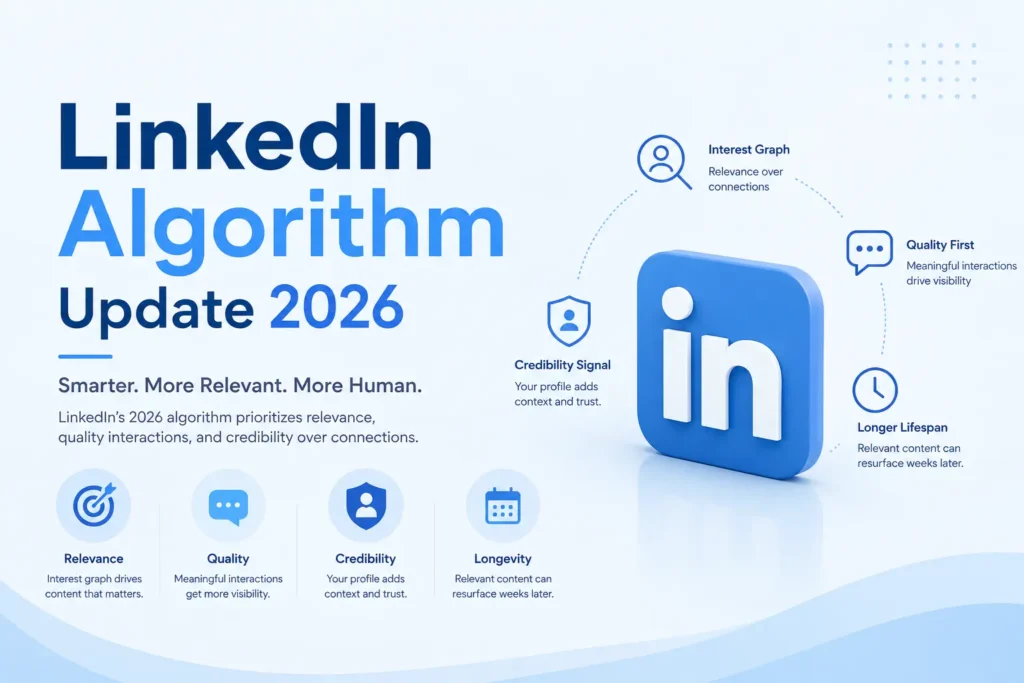
LinkedIn Algorithm Update 2026: What Actually Changed (And What's Hype)
Read Article
Anthropic has temporarily suspended Claude Fable 5 following reported U.S. government concerns around advanced AI capabilities.
Read Article
We use cookies to improve your experience on our site. By using our site, you consent to cookies.
Manage your cookie preferences below:
Essential cookies enable basic functions and are necessary for the proper function of the website.
These cookies are needed for adding comments on this website.
Google Tag Manager simplifies the management of marketing tags on your website without code changes.
Statistics cookies collect information anonymously. This information helps us understand how visitors use our website.
Google Analytics is a powerful tool that tracks and analyzes website traffic for informed marketing decisions.
Service URL: policies.google.com (opens in a new window)
You can find more information in our Cookie Policy and Privacy Policy.