Google Ads is a valuable tool for businesses targeting an online audience. But, creating a good campaign can be tricky and full of hurdles. Here, we tackle the common hiccups in Google Ads setup and share tips to beat them.
Google Ads Basics
The Pressure Points To kick off a winning campaign, you must understand Google Ads well. It operates on a pay-per-click model, with key parts like keywords, ad groups, bidding techniques, and target setting. Sounds simple, right? But, if not handled right, they can drain your budget.
Google Ads Setup Struggles:
Case by Case
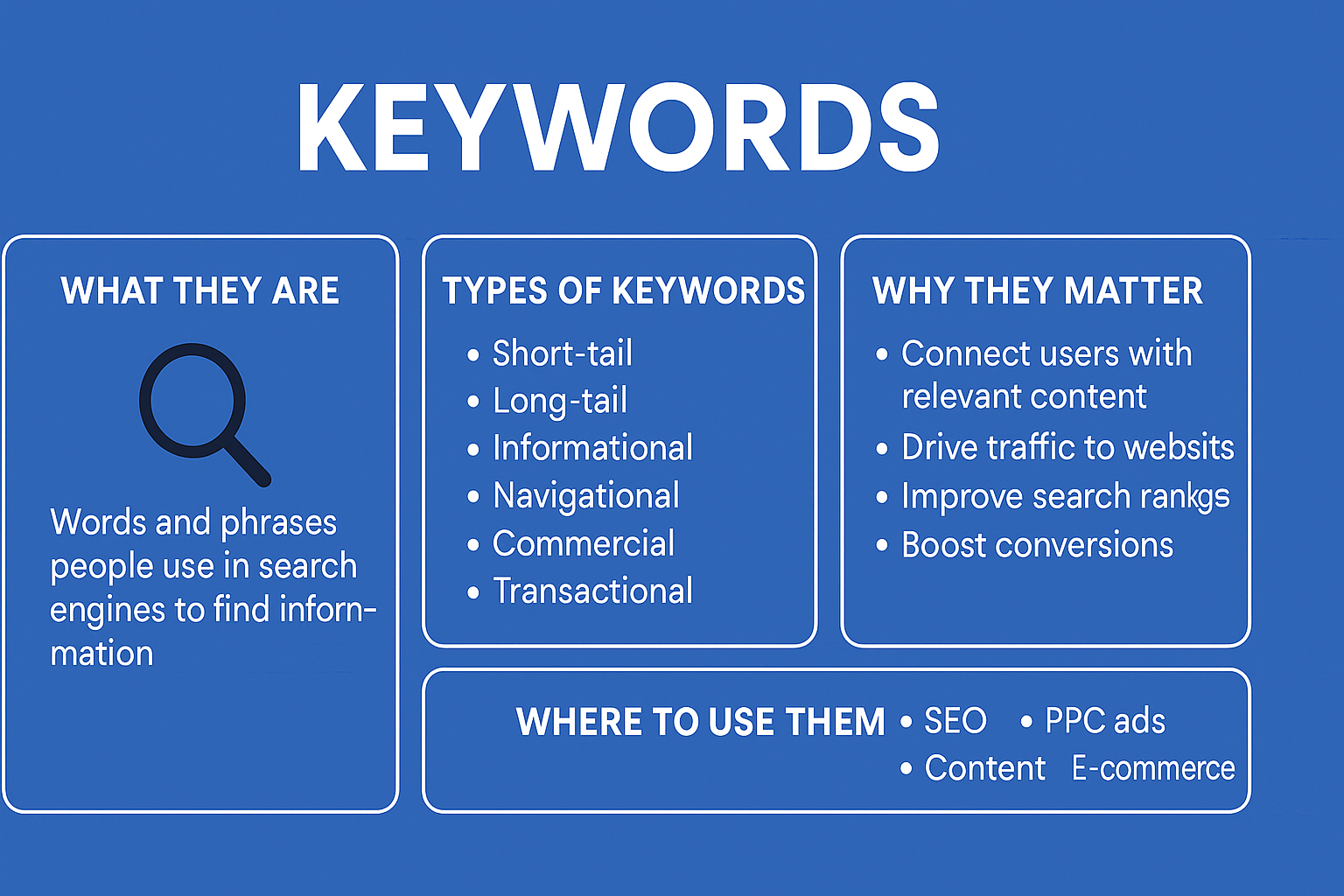
- Messy Keyword Choice Keywords are crucial for your Google Ads campaign.
- Common slip-ups are:
- Being too dependent on Broad Match Keywords: These may pull in the wrong crowd, increasing costs but giving little back.
- Minimal use of Negative Keywords: You may end up showing ads to those who aren’t interested.
- Not thinking of Search Intent: You may fail in getting the right audience.
- Solution: You can fix this by checking good performing keywords with Google Keyword Planner, updating negative keyword lists and using long-tail keywords.
- Common slip-ups are:
- Off the Mark Audience Targeting Choosing the wrong crowd to target can ruin the best of campaigns.
- Possible errors are: Casting a geographical net too wide. Not paying attention to demographics. Not considering audience interests and behaviours.
- Solution: Improve targeting with Google’s audience insights, create custom audiences and exclude irrelevant geographical areas and demographics.
- Unimpressive Ad Copy and Presentation Creating attractive ad content and visuals can be tough.
- Usual snags are: Missing a clear call-to-action. Generic headings and descriptions. Visually unappealing designs.
- Solution: Put punchy CTAs, do A/B testing for headings and descriptions, and create professional-looking visuals.
- Budget Miscalculations Campaigns often suffer from spending too much or too little.
- Usual budgeting pitfalls are: Setting a day-wise budget too low. Unfair budget allocation across campaigns. Not keeping an eye on campaign spending.
- Solution: Use past data to set budgets, distribute funds sensibly, and monitor expenditure timely.
- Misfired Conversion Tracking Tracking conversions helps judge campaign success.
- Common mistakes are: Bungled up tracking code installation. Tracking unnecessary actions as conversions. Overlooking conversion data inconsistencies.
- Solution: Make tracking codes pain-free with Google Tag Manager, set specific conversion goals and do routine checkups.
- Overlooked Quality Score The Quality Score influences where your ad appears and its cost.
- Factors that drop it include: Mismatched ad copy. Poor landing page experience. Low click rates.
- Solution: Create coherent ad copy, fine-tune landing pages and optimize click rates with gripping ads.
Extra Help for Winning Google Ads Setup
- Embrace Automated Bidding Strategies like Target CPA and Maximize Conversions use Google’s data-crunching abilities to polish your campaign. Choose a bidding strategy that fits your campaign.
- Tap into Remarketing Target users who have already interacted with your ads. Use dynamic remarketing to give personalized ads.
- Prioritize Mobile Given most searches are mobile, make sure your ads and landing pages work well on mobile. Test all devices for compatibility.
- Keep a Check on Performance Look at metrics like click rates, conversion rates, and return on ad spend. Use this data to fine-tune your campaign.
Dealing with Google Ads setup can be tough but fruitful. By solving issues like poor keyword choice and ineffective ad copy, your business can optimize your campaign. And, with thoughtful planning and regular fine-tuning, Google Ads can be a game-changer for your business.
If you are facing any issues with Google Ads, contact us. We will be happy to help.