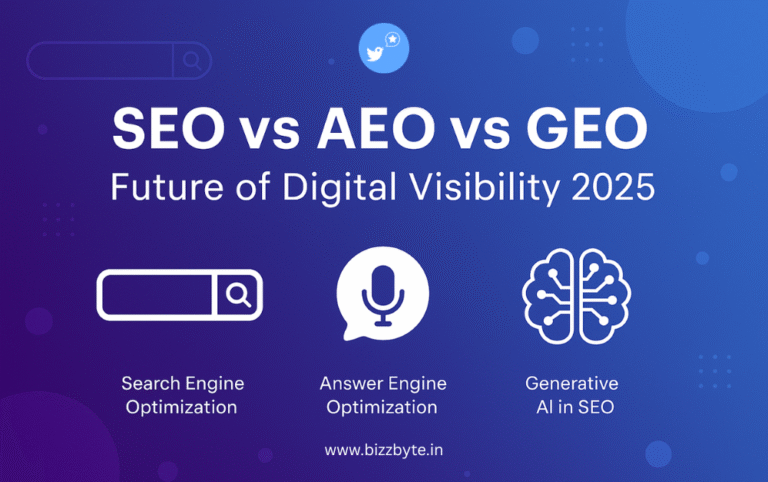
In the ever-evolving world of search and content marketing, keyword research remains foundational—but the what, why, and how of it are shifting fast. As we move into 2025–26, success depends not just on finding high-volume keywords, but on aligning with user intent, leveraging AI, optimizing for new search paradigms, and choosing the right tools.
Below are the latest insights: trends, techniques, tools, and tips you should include in your keyword strategy this year.
Why Keyword Research Still Matters — And What’s Changed
Before diving into techniques, here’s what’s different in 2025:
- Search intent is more central than ever. Search engines (especially Google) are better at understanding why someone searches, not just what.
- Long-tail & conversational queries are growing. Users speak more naturally (voice search, digital assistants), ask more specific questions.
- AI and generative engines are changing how answers are delivered—and what ranking might mean. It’s no longer just about being on page 1; it’s also about being used in synthesized answers, chat assistants, etc.
- SERP features & zero-click results matter more. Featured snippets, knowledge panels, “People also ask”, maps, etc., are stealing clicks, so optimizing for those counts.
- Trend volatility is higher. What is “popular” changes more rapidly (social media surges, news events, etc.) so keyword strategies must be more dynamic.
Key Techniques & Strategies for 2025–26
Here are what work now — techniques that align with the changed landscape:
| Technique | What to Do & Why It’s Important |
|---|---|
| User-Intent-First Research | Classify keywords by intent (informational / transactional / navigational / commercial). Start by understanding the purpose of searchers: what do they really want? Then match content type. |
| Voice & Conversational Keywords | Use questions (“how,” “why,” “best way to…”), longer natural phrases. Tools to see actual spoken queries. Optimise for voice assistants & smart speakers. |
| Keyword Clustering / Topical Coverage | Rather than isolated keywords, group related terms so content covers topics broadly. This helps with semantic relevance and “topic authority.” |
| Trend & Emerging Keyword Spotting | Keep eyes on rising themes; be among the first to address new trending queries. Use tools that show changes over time. Even timely updates of existing content can capitalize. |
| Answer Engine & Generative Search Optimization | Structure content (FAQ, definitions, “how to”, step by step) so it’s ready to be pulled into AI summaries / assistant responses. Use formats that allow direct, concise answers. |
| Keyword Difficulty + Click Potential over Volume | Big volume doesn’t always mean big ROI. Focus also on what you can rank for, what gives clicks, conversions. Lower competition but high relevance may outperform a high-volume term you can’t compete for. |
| Multiplatform & Multichannel Keyword Research | Not just Google. Look at YouTube, Amazon, social media, forums. What are people asking / searching there? That gives ideas. |
| Regular Audits & Refreshes | Because search behavior and SERPs shift, revisit keyword strategy often. Update content, identify new keywords, drop outdated ones. |
Tools You Should Be Using (or Updating Your Use Of)
These tools have become go-to in 2025 — whether free, freemium, or premium — and many have added features to match new requirements.
| Tool | Use Case(s) / Key Features |
|---|---|
| Ahrefs | Very strong for competitor SERP analysis, keyword difficulty, related keywords, also content gap. Good for seeing what others in your niche are ranking for. |
| SEMrush | Comprehensive suite. Good for intent-based keyword metrics, tracking trending terms, monitoring SERP features. |
| Google Keyword Planner | Still useful especially for PPC, but also for discovering keyword ideas; less so for fine-grained organic intent or long tail. |
| Mangools (KWFinder etc.) | Easier interface, good for smaller sites / niche content, keyword difficulty, finding lesser known long-tail terms. |
| Ubersuggest | For content marketers, especially to generate topic ideas, comparisons, related keywords. Good for free / low cost. |
| Google Trends | To see what’s rising or falling; helpful to catch emerging topics before competition crowds in. |
| “Free tools + platform sources” | Google Autocomplete, “People also ask”, Reddit / forums, Amazon suggestions, YouTube. These often reveal conversational, emerging, or voice style queries. |
Putting It All Together: A Sample Workflow
Here’s a suggested process you could follow, adapted for 2025:
- Seed brainstorming: Start with your domain / niche + audience pain points / questions. What are they asking? What problems need solving?
- Use trend tools: Check Google Trends, topic trend reports in Ahrefs or SEMrush, look for rising queries.
- Collect keyword ideas across platforms: Use keyword tools + autocomplete + forums / social media + competitor sites.
- Cluster & intent classify: For each keyword, mark the purpose (informational, transactional, etc.). Cluster semantically related ones.
- Analyse difficulty & click potential: Estimate how hard it is to rank, how many clicks you are likely to get (not just search volume). Check current SERP features.
- Prioritize: Pick a mix of high-opportunity, feasible long-tail, trend-catching keywords. Also choose some evergreen topics.
- Create / Optimize content: Use conversational style, FAQs, schema markup if helpful. Optimize for featured snippets, voice queries, answer-style content.
- Monitor & iterate: Track keyword rankings, traffic, see what content declines in performance. Update content, drop terms that are irrelevant, add new long-tail keywords.
Trends to Watch (and Be Prepared For)
These are things that may become even more important or disruptive during 2025–26:
- Answer Engine Optimization (AEO) / Generative Search — optimizing not just for webpages but for being used in AI / assistant answers.
- Semantic & Contextual Search — search engines using LLMs and better NLP to understand context, synonyms, related concepts. Less about exact keyword matching.
- Multimodal search — images / voice / video search. Keywords may need to align with visual content, alt text, transcripts.
- Localization & Personalization — more searches are local, personalized, or tied to demographics. Need to adapt keywords accordingly.
- Zero-click & SERP feature saturation — as more results give answers directly in SERP, searcher may not click through. So, structure content to be that “answer” when possible.
Tips & Best Practices
- Don’t just think “volume” — think value. A modest-volume keyword that converts well can beat a high-volume one that never brings engagement.
- Use question-based keywords to target “featured snippet / answer” opportunities.
- When using tools, always double-check recent data; tool databases differ and updates matter.
- Include long-tail and conversational phrases—even if they have low volume, they often reflect strong intent and lower competition.
- Keep content legible and helpful; user engagement (time on page, bounce, etc.) influences rankings more than ever.
- Monitor keyword performance; drop or repurpose content for keywords that are no longer relevant or under-performing.
Keyword research in 2025 isn’t about repeating old tactics—it’s about evolving them. Your strategy should balance data (volume, difficulty) with human understanding (intent, context, voice). Use tools smartly, stay ahead of trends, optimize for new search paradigms (AEO, generative, voice), and refresh your strategy regularly.
If you adapt to these shifts, you’ll not only attract traffic—but the right traffic, engage users better, and see stronger results in search visibility and conversions.