Understanding Local SEO, AEO and GEO Optimization
Local SEO helps your business appear in searches with location intent — such as “best salon near me” or “digital agency in Bangalore.” When combined with AEO (Answer Engine Optimization) and GEO (Geographic Optimization) strategies, you position your business not only for visibility on Google Maps but also for better performance in voice search and AI-driven results.
AEO focuses on structuring your content so search engines like Google, Bing, and voice assistants can extract direct, conversational answers. GEO ensures your digital presence aligns with your physical location and local intent. Together, they create a holistic visibility framework.
Step 1: Optimize Your Google Business Profile (GBP)
Your Google Business Profile is the core of your local and map-based SEO. It provides Google the essential structured data required for AEO and GEO indexing.
Optimization checklist:
- Business Name: Keep your real, verified name. Avoid extra keywords.
- Category Selection: Choose an accurate primary category (e.g., “Digital Marketing Agency”) and add related secondary categories.
- NAP Consistency: Maintain identical Name, Address, Phone Number across all online assets.
- Service Areas: List your service zones precisely using city, region, and postal code references.
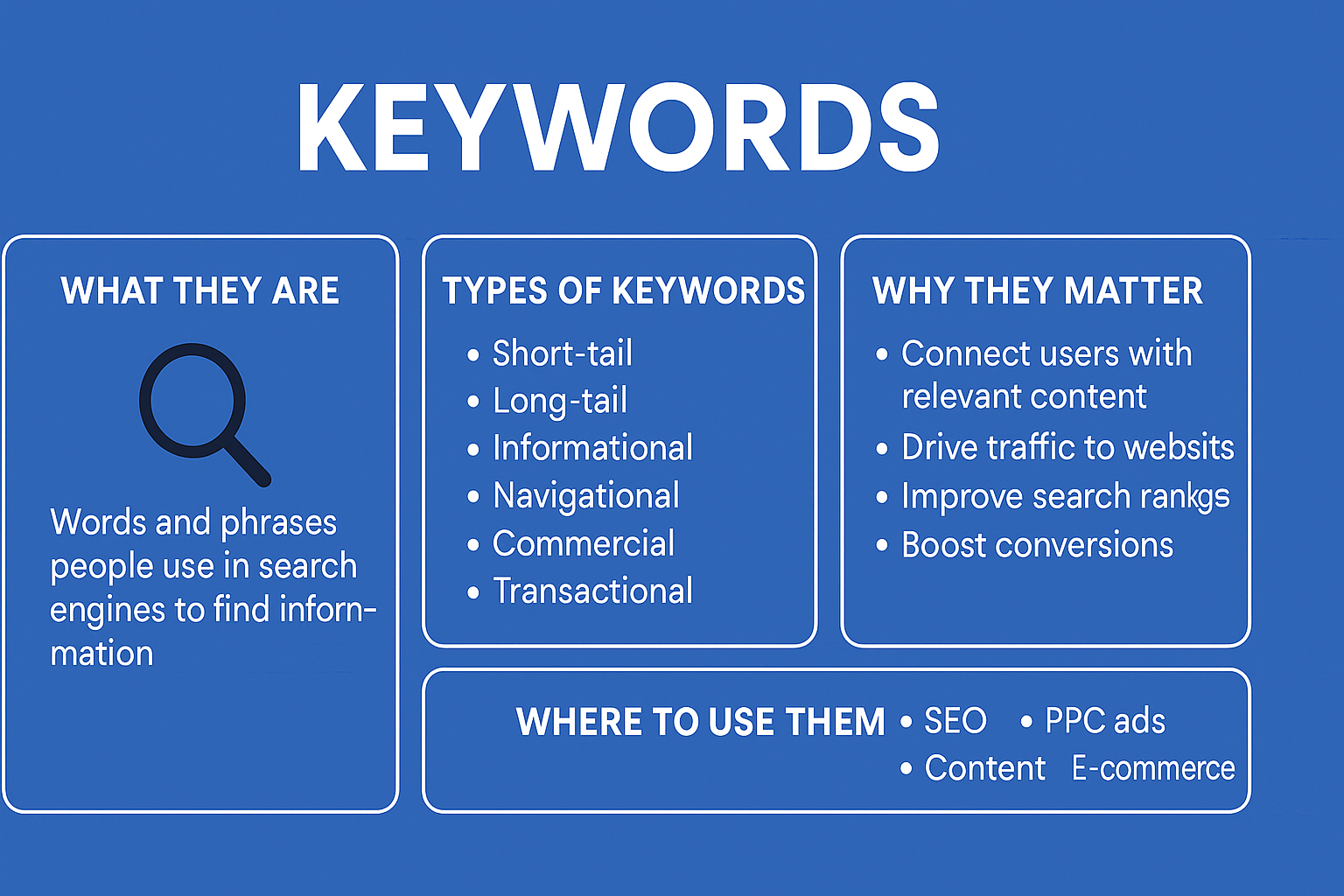
- Business Description: Write a 750-character paragraph that includes your target keyword — “Local SEO for Google Maps” — and uses natural language suitable for AEO interpretation.
- Photos & Videos: Upload geotagged images for enhanced GEO signals.
- Posts & Updates: Publish regular updates on offers, events, or new services.
This structured approach helps Google identify your business as locally authoritative and contextually relevant.
Step 2: Enhance Website Structure with AEO and GEO Signals
Your website must communicate who you are, where you are, and what you offer in a machine-readable format.
Implementation essentials:
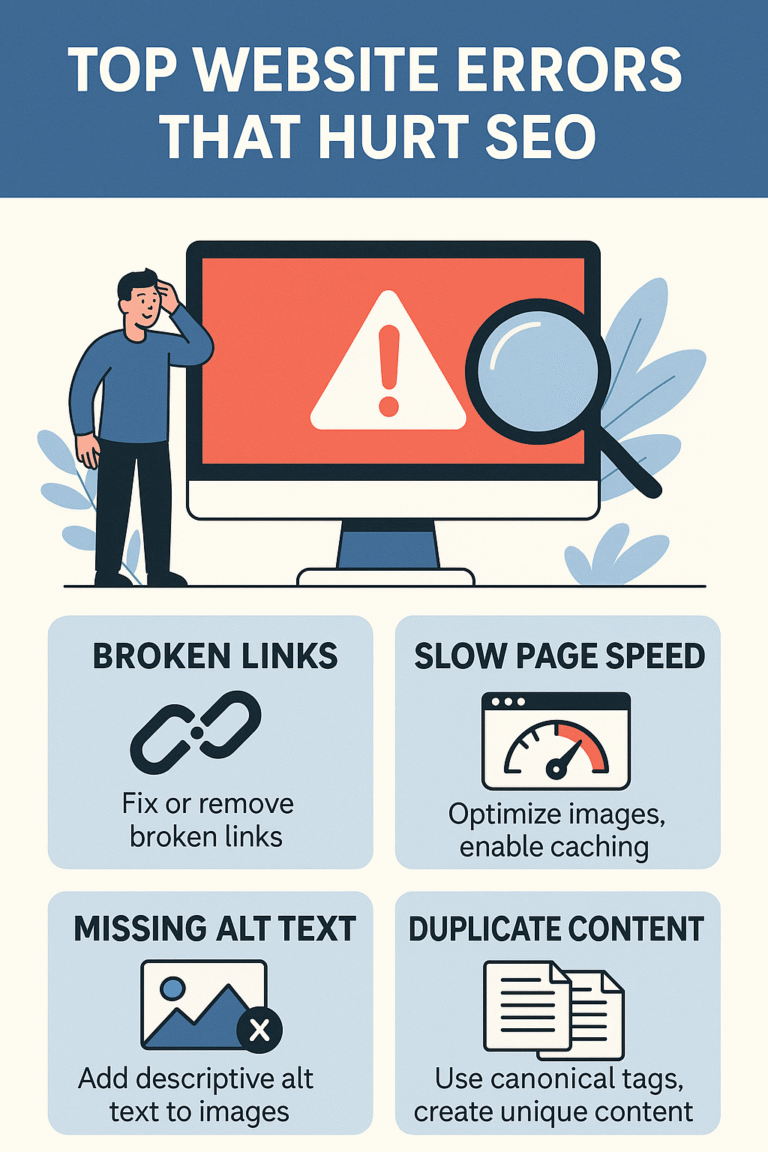
- Schema Markup: Add Local Business and Organization schema to provide structured data for AEO crawlers.
- Location Pages: Create dedicated landing pages for each target city or region, integrating maps, reviews, and local keywords.
- Geo-Targeted Metadata: Optimize meta titles and descriptions with your target city and service keyword (e.g., “Local SEO Services in Mumbai | Rank Higher on Google Maps”).
- Voice Search Optimization: Use conversational question-based headings — for example, “How can I rank my business on Google Maps?” This enhances AEO compatibility for voice and AI assistants.
- Mobile Responsiveness: Google prioritizes mobile-friendly sites for all local intent queries.
These technical enhancements ensure your content is equally understandable to both users and search algorithms.
Step 3: Build Local Content Ecosystems
Content remains the anchor of all SEO. However, AEO and GEO optimization require contextual and conversational relevance.
Recommended content structure:
- Create long-form blog posts that answer specific local questions.
- Use structured subheadings containing local and intent-based keywords.
- Include local statistics, landmarks, and references.
- Embed Google Maps and clickable contact details.
- Implement FAQs targeting natural questions people ask via voice assistants.
Example:
Instead of writing “SEO for Small Businesses,” write “How Local SEO Helps Small Businesses Rank in Google Maps Near You.”
This phrasing helps voice assistants surface your answer directly in AI-driven responses.
Step 4: Strengthen Off-Page and GEO Signals
Google evaluates your business’s prominence using external data. Building consistent GEO signals across the web reinforces local authority.
Action points:
- Submit your business to trusted local directories (Justdial, Yelp, Bing Places, IndiaMART).
- Obtain local backlinks from news sites, event pages, or chambers of commerce.
- Engage in digital PR with regional blogs and influencers.
- Use consistent NAP data in citations, social media profiles, and structured mentions.
Each local citation acts as a signal confirming your business’s legitimacy in that area, strengthening your Google Maps ranking.
Step 5: Collect and Respond to Customer Reviews
Reviews are both a trust signal for users and a ranking signal for Google.
Encourage happy customers to leave detailed, keyword-rich reviews mentioning location and service. Example:
“Bizzbyte helped us improve our local SEO in Pune — now we rank on Google Maps within weeks!”
Responding to each review (positive or negative) enhances engagement signals, a key part of AEO for Google’s quality assessment.
Step 6: Optimize for Voice and AI Search (AEO Focus)
Voice assistants like Google Assistant, Siri, and Alexa rely heavily on featured snippets and structured data.
To win these results:
- Use clear, concise answers at the start of each paragraph.
- Add FAQs with conversational phrasing (“What’s the best way to rank in Google Maps?”).
- Write in active voice with natural rhythm and sentence brevity.
- Include structured question-answer sections.
Google extracts these “ready-to-serve” responses for AI-generated summaries and local packs.
Step 7: Leverage GEO-Targeted Backlinks and Mentions
Link-building for GEO relevance focuses on strengthening location identity.
Strategies include:
- Collaborating with local businesses for shared campaigns.
- Sponsoring city events or community drives (and earning mentions).
- Publishing press releases in regional media outlets.
- Partnering with micro-influencers with hyperlocal reach.
GEO backlinks help Google associate your domain with a geographic region, reinforcing local ranking potential.
Step 8: Track and Refine Your Local SEO and AEO Performance
Monitor your progress using:
- Google Business Insights: for call, direction, and engagement data.
- Google Search Console: for keyword visibility and structured data validation.
- Google Analytics: for local traffic segmentation and behaviour tracking.
Adjust based on trends — if voice-driven queries rise, prioritize more conversational content. If direction requests drop, rework your map and location schema.
Ranking in Google Maps requires more than traditional SEO — it demands AEO precision and GEO consistency. By optimizing your Google Business Profile, structuring your website for voice and AI comprehension, creating location-rich content, and maintaining accurate data across the web, your business can secure a sustainable presence in both map packs and AI-driven search results.
Local SEO is now AEO + GEO combined — structured for machines, written for humans, and geographically anchored for visibility. The future of local discovery isn’t just about being seen. It’s about being found — accurately, conversationally, and contextually — wherever your customers are searching.